日本研究概論 / Introduction to Japan Studies(JPS101)
「見る」記録から、保存・体験・作品へFrom records you "look at" to things you preserve, experience, and create
XRで残す日本文化 — 相馬野馬追 × 真葛焼(+ねぶた祭り)。
太田が手がける実プロジェクトからKeeping Japanese culture alive with XR — Soma Nomaoi × Makuzu ware (plus the Nebuta Festival), straight from projects Ohta is working on right now.
👤 §0 自己紹介 — 太田啓路 / A bit about me
太田 啓路(OHTA Keiji) ― 博士(国際情報通信学)。国際基督教大学(ICU)シニアレクチャラーであり、株式会社リ・インベンション CEO。
専門は 先端映像メディア(3D・XR) のコンテンツ制作・システム開発・人間工学的評価です。
PhD. I'm a Senior Lecturer here at ICU and the CEO of Re-Invention Inc. I make, build, and test advanced visual media — 3D and XR (VR / AR / MR).
XR=VR(バーチャルリアリティ)・AR(拡張現実)・MR(複合現実)の総称。
リアルな世界を3Dデータ化し、リアルとバーチャルをつなぐ ― それを文化財・エンタメ・教育の現場で形にしてきました。XR is just a catch-all for VR (virtual reality), AR (augmented reality), and MR (mixed reality). It takes the real world, turns it into 3D data, and connects the real and the virtual — and I've put that to work in cultural heritage, entertainment, and education.
これまでの主な仕事(一部) / Some of what I've worked on
- 3D映画制作(2D→3D変換):2Dの映像を3Dに変換する技術で、ドラえもん/ワンピース/攻殻機動隊 ほか国内最多級の3D映像制作に参加。3D film (2D-to-3D conversion): I helped turn flat movies into 3D — including Doraemon, One Piece, and Ghost in the Shell, some of the most 3D work done in Japan.
- 8K VR ライブ撮影(King Gnu / SixTONES / Snow Man ほか)=「その場に居る」映像。8K VR concert shoots (King Gnu, SixTONES, Snow Man, and more) — footage that makes you feel like you're right there in the crowd.
- 最近のお仕事:サッカー日本代表の応援イベント 「SAMURAI BLUE 3D EXPERIENCE」(2026・渋谷/XR×3D-LED の没入3D映像演出)。Just recently: "SAMURAI BLUE 3D EXPERIENCE," a fan event for Japan's national football team (2026, Shibuya) — immersive 3D visuals using XR × 3D-LED.
- 文化財のデジタルアーカイブ:フォトグラメトリ/3DスキャンでICU泰山荘・縄文土偶などを3D化。Digital archiving of cultural heritage: capturing ICU's Taizanso and Jomon clay figurines in 3D with photogrammetry and 3D scanning.
🔗 SAMURAI BLUE 3D EXPERIENCE JFA ニュース / JFA news
- ① 相馬野馬追(福島県相馬市)― VR/3D映像撮影 Soma Nomaoi (Soma, Fukushima) — shooting it in VR / 3D
- ② 真葛焼(神奈川県横浜市)― バーチャルミュージアム/3Dデータ化 Makuzu ware (Yokohama, Kanagawa) — a virtual museum and 3D digitizing
- ③ ねぶた祭り(青森県)― 360度コンテンツ制作 Nebuta Festival (Aomori) — making 360° content
🎯 §1 文化を残す — 「見る」から「体験する」ものへ / Saving culture: from "looking at" to "stepping into"
写真と動画だけで、文化は本当に「残せる」のでしょうか?Can you really save a culture with photos and video alone?
ガラスケースの中の器も、一度きりの祭りも、平面の記録では「正面の一面」しか伝わりません。
XR(クロスリアリティ)は、記録を 平面で「見る」 ものから その場で「体験する」 ものへ変えます。
きょうのキーワードはこの4つです。Think of a vessel in a glass case, or a festival that happens once a year. A flat record only gives you one face, seen from the front. XR (cross reality) flips that — it turns a record from something you look at on a flat screen into something you stand inside and experience. Here are the four words to keep in mind today:
写真・動画・実測。Capturing the facts — photos, video, measurements.
記録の目的。Passing something that's fading on to the future — the whole point of recording.
きょうは、太田が日本文化に関連していま取り組んでいるコンテンツ制作を紹介します。Today I'll show you what I'm making right now, all tied to Japanese culture.
② 真葛焼 @神奈川県横浜市 ― 横浜で生まれた焼き物(やきもの=陶芸)① Soma Nomaoi (Soma, Fukushima) — a festival of samurai on horseback in real armor
② Makuzu ware (Yokohama, Kanagawa) — a type of ceramic art born in Yokohama
— both happening right now
🗺 3つの舞台 — 地図で見る / The three places, on the map
授業では各地を地図で示します。Soma, Fukushima (Nomaoi) / Yokohama, Kanagawa (Makuzu ware) / Aomori City (Nebuta) — three places dotted across eastern Japan. I'll point them out on the map in class.
盛岡の 「さんさ踊り」 も夏の祭り。
東北は「夏に光と人が集まる」祭りの宝庫です。 I grew up in Iwate. Morioka's Sansa Odori is another summer festival. Up in Tōhoku, summer is when light and people pour into the streets — the region is packed with festivals like this.
東北三大祭り / The three great festivals of Tōhoku
日本三大花火大会(いずれも東日本)/ The three great fireworks festivals of Japan (all in eastern Japan)
大曲の花火(秋田) / 土浦全国花火競技大会(茨城) / 長岡まつり大花火大会(新潟) Omagari (Akita), Tsuchiura (Ibaraki), and Nagaoka (Niigata).
+ 赤川花火大会(山形) も全国屈指の大きな花火大会。 Plus Akagawa (Yamagata) — not in the "big three," but one of Japan's largest fireworks festivals.
⚙️ §1 技術の進化 — 3Dスキャン → NeRF → 3D Gaussian Splatting / How the tech got here
「写真だけ」から、歩ける・実写級・リアルタイムの3D空間が作れるようになりました。
その跳躍を3段階で見ます。From nothing but photos, we can now build 3D spaces you can walk through — photo-real, and rendered in real time. Let's trace that leap in three stages.
| 手法 / Method | しくみ / How it works | 得意 / Strengths | 弱点 / Weaknesses |
|---|---|---|---|
| フォトグラメトリ / LiDAR | 多数の写真・レーザーから3Dメッシュを再構成Builds a 3D mesh from lots of photos or laser scans. | 形は正確Gets the shape right. | 光・反射が「焼き付き」マットになりがちLight and reflections get baked in, so it ends up looking flat and matte. |
| NeRF (2020) | ニューラルネットがシーンを学習A neural net learns the whole scene. | 反射・光沢など視点依存の見えを再現Nails the way reflections and gloss shift as you move. | 描画が重く非リアルタイムHeavy to render — not real-time. |
| 3D Gaussian Splatting (2023) | 数百万の「3Dの粒(ガウシアン)」で表現し、ゲームと同じ要領で描画Paints the scene with millions of tiny "3D blobs" (Gaussians) and draws them like a video game. | 実写級+リアルタイム描画(論文値 1080pで≥100fps)確実Photo-real and real-time (the paper clocks ≥100 fps at 1080p). | データ量が大きい 目安The files get big. |
つまり 入力は写真/動画だけ。
なのに「歩ける・実写級・リアルタイム」。
その代償が 大きなデータ量 です。So all you feed in is photos or video — and out comes something walkable, photo-real, and real-time. The catch? It eats a lot of data.
出典:Inria GraphDeco 公式(SIGGRAPH 2023)
出典:著者 Matthew Tancik 公式チャンネル
🏛 §2 最新技術の紹介 — XRの最高峰「歩けるVR」と日本の城 / The cutting edge: VR you can walk through, and Japanese castles
記録された文化を「居る」体験に変える最前線が LBVR(Location-Based VR) = 自宅のHMDではなく、会場で複数人が広い空間を自由に歩く没入体験です。
世界最高峰の2例を見ます。The most exciting way to turn recorded culture into a being-there experience is LBVR (Location-Based VR). Forget a headset on your couch — here, a group of people walk around a big physical space together at a venue. Let me show you two of the best in the world.
① クフ王のピラミッド『Horizon of Khufu』(Excurio)/ The Pyramid of Khufu
出典:Excurio 公式トレーラー
- 横浜(横浜駅直結・IMMERSIVE JOURNEY)で公開中。Showing in Yokohama right now (IMMERSIVE JOURNEY, right by Yokohama Station).
- 新作が 6月15日 公開。
歩いて巡る最高峰の没入体験。A new edition opens on June 15. It's about the best walk-through immersive experience you can find.
② NHK VR『サムライの見た夢 ― 幻の豊臣大坂城』/ NHK VR: A Samurai's Dream — the Lost Toyotomi Osaka Castle
NHKが歴代の番組(大河ドラマ・歴史番組)で制作した膨大なCG資産を活用したVR。400年前に消えた豊臣大坂城を、歩いて・浮遊して巡ります(渋谷BEAM・2026/3/20〜5/31・約45分)。This VR is built from all the CG NHK has piled up over the years for its dramas and history shows. You walk — and float — through the Toyotomi Osaka Castle that disappeared 400 years ago (Shibuya BEAM, 2026/3/20–5/31, about 45 min).
番組CG → VRへ。 一度3D化(CG化)しておけば、あとから「歩いて体験できるVR」に作り変えられる。 NHKの番組CGが、そのままVR体験の資産になっています。From broadcast CG to VR. Once you've built something in 3D, you can rework it into a VR you can walk through. NHK's TV CG just becomes the raw material for the VR — nothing wasted.
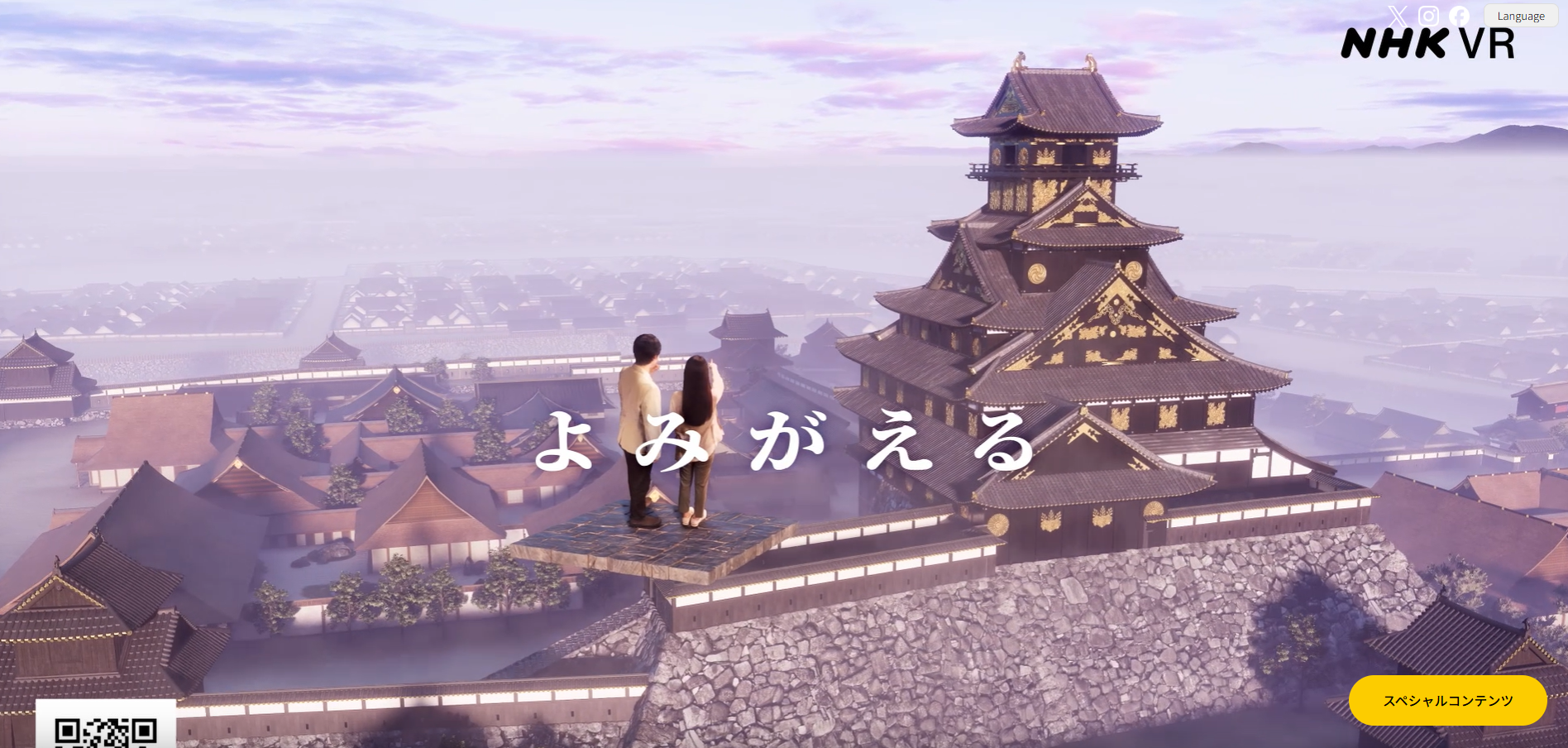
番組のCG資産が「歩けるVR」になった一例。The Toyotomi Osaka Castle brought back to life in gold — NHK VR "A Samurai's Dream." Here, a TV show's CG turned into a VR you can walk through.
出典:NHK VR 公式サイト(© NHK)
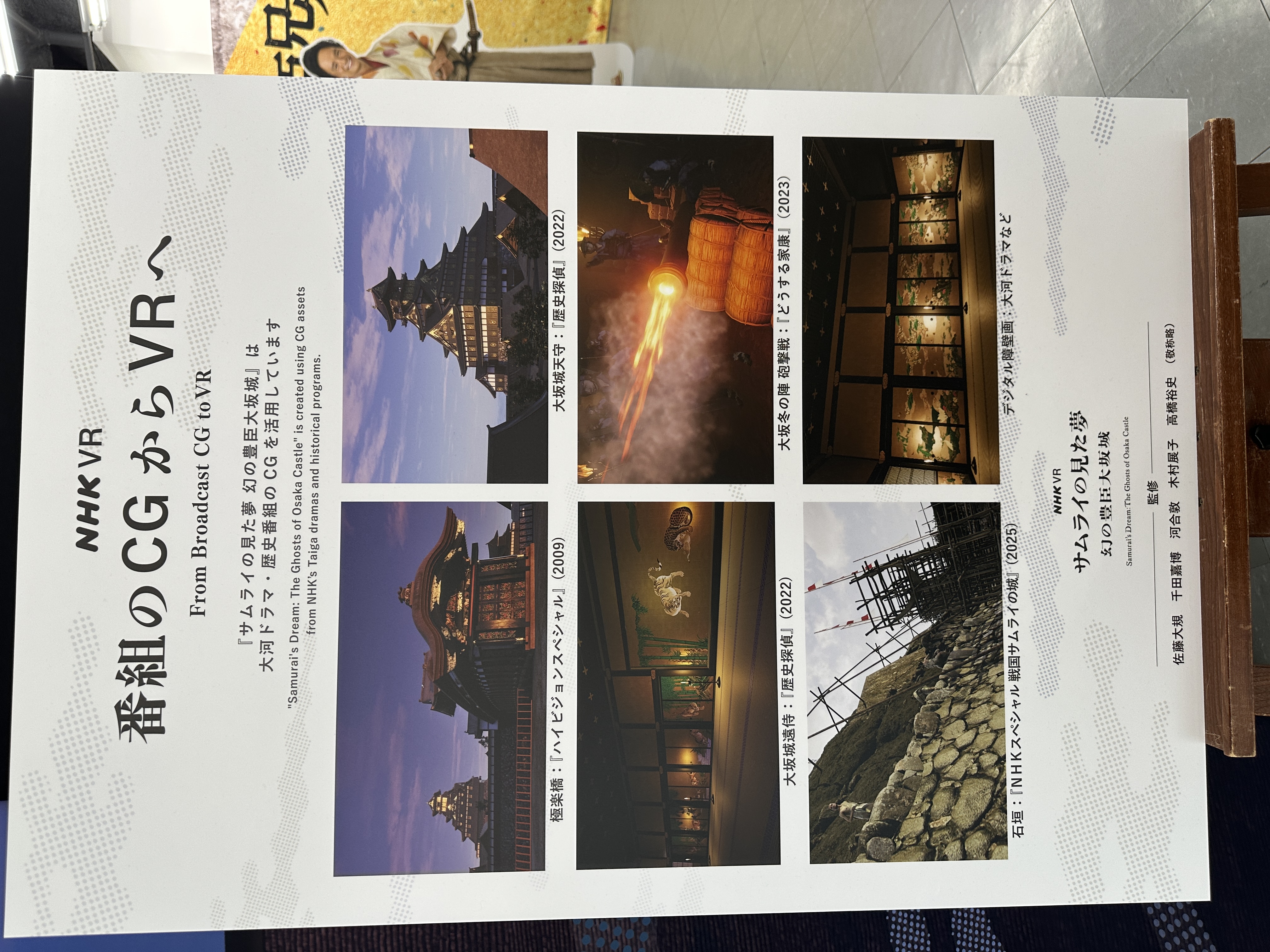
添付パネル写真を assets/img/nhk_vr_panel.jpg に配置すると表示
授業では NHK VR 公式サイトのスクリーンショット も見せながら、「放送のために作ったCG」が「歩ける体験」に再利用される流れを紹介します。In class I'll also show screenshots of the official NHK VR site to illustrate how CG "made for broadcast" gets reused as a "walkable experience."
次に紹介する野馬追・真葛焼は、まさにその挑戦です。Around the world, walk-through cultural VR keeps popping up. But there's still almost none for Japanese culture — which means right now is a wide-open chance to go record it and build it. Nomaoi and Makuzu ware, coming up next, are me taking exactly that shot.
🐎 事例① 相馬野馬追 — 1000年続く騎馬武者の祭り / Soma Nomaoi: a samurai-on-horseback festival that's run for 1,000 years
目的は ― 「記録映像ではなく、騎馬武者の視点で“体験できる作品”を残す」こと。
地上の観客には決して得られない馬上の視点を、VRで届けます。 On May 24–26, 2026, I was on the ground at Soma Nomaoi shooting VR. My goal wasn't a documentary — it was an artwork you can experience from the rider's own viewpoint. VR hands you the view from up on the horse that no spectator on the ground ever gets.

© Hajime NAKANO / Wikimedia Commons, CC BY 2.0
福島・相馬地方で毎年5月末の3日間、本物の甲冑をまとった騎馬武者が街道を駆ける祭り。
約1000年の歴史をもち、国の重要無形民俗文化財(1952〜)。
太田が手がける VR撮影プロジェクト の現場でもあります。Every year, for three days at the end of May, riders in real armor gallop down the roads of the Soma area in Fukushima. It goes back about 1,000 years and has been a nationally designated Important Intangible Folk Cultural Property since 1952 — and it's where I'm shooting my VR project.
- 931–940頃平将門が野馬を敵兵に見立てて訓練し、捕えた馬を妙見神に奉納 = 祭りの原型Taira no Masakado drilled his men by chasing wild horses as if they were enemy soldiers, then offered the captured horses to the Myōken deity — that's where the festival began.
- 中世〜江戸 / Medieval–Edo相馬氏が継承。相馬中村藩の公式行事(軍事訓練+神事)にThe Soma clan kept it going, and it became an official event of the Soma-Nakamura domain — part military drill, part religious rite.
- 1871廃藩で一度途絶It stopped for a while when the domains were abolished.
- 1878三社合同で復活(=「復旧」でなく「変容」して続いた)Brought back by the three shrines together — it survived by changing, not by simply being put back the way it was.
- 1952重要無形民俗文化財にNamed an Important Intangible Folk Cultural Property.
- 2011東日本大震災で史上初の中止 → 2012〜縮小して復興、現在へCancelled for the very first time after the Great East Japan Earthquake → came back in scaled-down form from 2012, and it's been growing ever since.
背景 — 妙見信仰と三社・五郷 / The backstory: Myōken faith, three shrines, five districts
- 妙見信仰=北極星・北斗七星を神格化した相馬氏の守護神。馬は神への捧げ物。Myōken faith: the Soma clan's guardian deity, born from worshiping the North Star and the Big Dipper. The horse is an offering to that god.
- 祭りを担う三社:相馬中村神社・相馬太田神社・相馬小高神社。The three shrines that run the festival: Soma-Nakamura, Soma-Ōta, and Soma-Odaka.
- 騎馬は出身地ごとの五郷(宇多・北・中ノ・小高・標葉)に分かれ、先祖伝来の旗指物を背負う。Riders are split into five home districts (Uda, Kita, Nakano, Odaka, Shineha), each carrying the back-banner handed down from their ancestors.
- 出陣式・お行列:甲冑姿の大行列が街道を進む。Departure ceremony & grand procession: a huge armored parade winds down the road.
- 甲冑競馬:雲雀ヶ原のダート約1kmを疾走(兜を脱ぎ白鉢巻で)。Armored horse race: a roughly 1 km sprint on Hibarigahara's dirt track — helmets off, white headbands on.
- 神旗争奪戦:花火で打ち上げた御神旗を数百騎が奪い合う(1発で2本が舞い降りる)。Sacred-flag scramble: hundreds of riders scramble for sacred flags shot up by fireworks (every shot drops two).
- 野馬懸(最終日・小高神社):裸馬を素手で捕え、最初の1頭を神馬として奉納。Nomakake (final day, Odaka Shrine): people catch bare horses with their bare hands, and the first one caught is offered up as a sacred horse.
📰 2026年の野馬追 — 数字で見る、過去最多の観客 / Nomaoi 2026 by the numbers: a record crowd
- 祭場地(雲雀ヶ原)の観客は約4万人で、過去10年で最多。
前売・当日券が完売し、事実上初の入場制限に。About 40,000 packed the festival grounds at Hibarigahara — the biggest crowd in ten years. Tickets sold out completely, so for practically the first time ever, they had to cap admission. - 大型観光企画「ふくしまデスティネーションキャンペーン」や前年の出場条件撤廃が観客増の要因。Two things drove the jump: the big "Fukushima Destination Campaign" tourism push, and the year before, dropping the old requirements to take part.
出典:福島民友(2026/6/4) / 朝日新聞 / 日本経済新聞 / 年齢:Becco
🎥 なぜ XR か — 騎馬視点という「不可能」/ Why XR? The rider's-eye view you can't otherwise have

© Rory trains / Wikimedia Commons, CC BY-SA 4.0
騎馬武者の視点は、地上の観客には構造的に得られない視点です。VRはその非対称を反転し、観る人を「馬上の武者=鞍上」に置きます。
これがこのプロジェクトでXRを使う必然 ― 「平面で見る記録」から「中に入って乗れる体験=保存」へ。A spectator on the ground simply can't ever see what the rider sees from up on the horse — it's built into where you're standing. VR flips that around and puts you in the saddle. That's exactly why this project needs XR: it moves us from a flat record you look at to a ride-along you step inside — and that's what saves it.
クライアントの仕様そのものが 「記録映像ではなく、作品を」。
作品《騎天響(きてんきょう)》は 静 → 動 → 爆 → 余韻 の構成。
ラストは音が「祈り」になる ― 馬蹄と歓声が、妙見への奉納に重なります。The client's own brief said it: make an artwork, not documentary footage. The piece, Kitenkyō, is built as stillness → motion → climax → afterglow. At the very end, the sound turns into a prayer — hoofbeats and cheers fold together into an offering to Myōken.
どんなカメラで撮ったのか / What we shot it with
「不可能な視点」を撮るために、用途ごとに複数のカメラを使い分けました。To grab that one-of-a-kind viewpoint, we brought a handful of cameras, each for a different job.
| 用途 / Purpose | 機材 / Gear | ねらい・特徴 / Aim & features |
|---|---|---|
| 3D VR1803D VR180 | Canon EOS R5C + RF5.2mm デュアル魚眼 | 8K 立体(固定位置)。本物の奥行きを記録8K stereoscopic from a fixed spot — captures real depth. |
| 360度動画360° video | DJI Osmo 360(旗竿基部で俯瞰)ほか | 360度撮影360° capture. |
| 騎手装着 POVRider-worn POV | Insta360 GO Ultra(52g) / GO 3S(39g)・DJI Osmo Nano・Cambox V4 Pro(48g, JRA実績) | 超小型・軽量で馬上の主観視点。甲冑に負担をかけないTiny and light enough to ride on the horse without weighing down the armor. |
| 空間音響Spatial audio | Zoom H3-VR / RØDE NT-SF1(Ambisonics) | 蹄・歓声・太鼓が360°四方からHooves, cheers, and drums coming at you from every direction. |
使用カメラ(画像・公式リンク)/ The cameras, with photos and links
最近は DJI が充実 ― アクションカメラから 360°、ドローンまで一社で揃う。 These days DJI does it all — action cams, 360°, even drones, from one maker.
EOS VR System
固定の高画質点。True-stereo VR180, 8K 3D — our fixed, top-quality anchor.
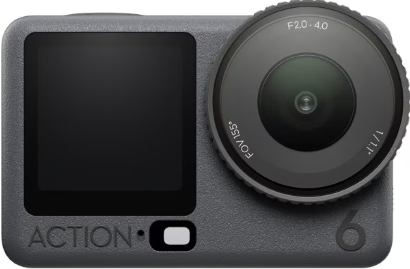
騎手装着の主観POV。Variable aperture f/2.0–4.0, 1/1.1″ square sensor — worn by the rider for POV.
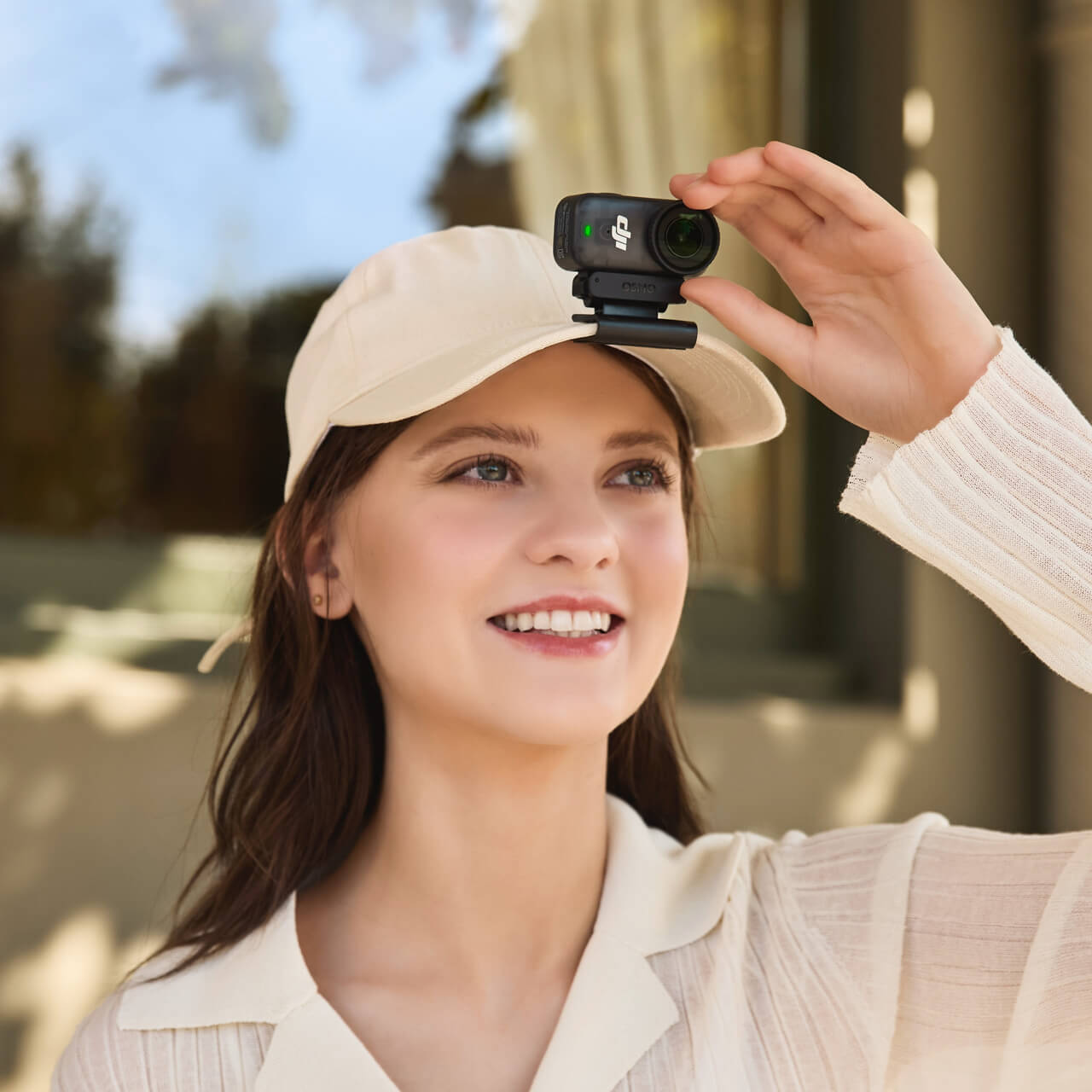
甲冑の隙間や頭部に。52 g, 1/1.3″, 4K60, magnetic mount — slips into gaps in the armor or onto the head.
Mavic 3 Pro
空撮 ※観客上空は原則禁止。Triple lens (Hasselblad 24/70/166 mm). For aerials — but flying over crowds is not allowed.
Osmo 360
全周マスター/馬場の俯瞰。8K 360°, dual 1/1.1″ sensors — our surround master and a view down onto the track.
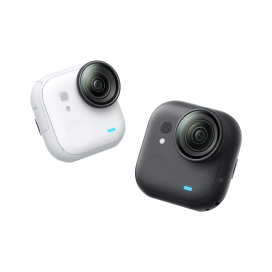
騎手の視点をさりげなく記録。52 g, thumb-sized — quietly catches the rider's view.
※ Osmo Action 6 / Osmo Nano / GO Ultra は実機写真。Canon VR・Mavic 3 Pro・Osmo 360 は製品名タイル+公式リンク(製品画像は各公式サイトを参照/写真差し替え可)。The Osmo Action 6, Osmo Nano, and GO Ultra are photos of the real units; the Canon VR, Mavic 3 Pro, and Osmo 360 are name tiles with official links (check each site for product photos).
- ドローンは観客上空が法規制で原則禁止(公式FAQでも禁止)。You can't fly drones over crowds — it's against the law (and the official FAQ bans it too).
- 甲冑は家宝:穴あけ・接着・直貼り不可 → 色々なクリップを試して、良いものを探しました。
競馬・神旗争奪戦は兜オフのため装着点が限られる。The armor is a family heirloom: no drilling, no glue, nothing stuck straight onto it → we tried all sorts of clips and hunted for the ones that worked best. In the race and the flag-scramble, helmets come off, so there are very few places left to mount anything.
現場のエピソード / A few stories from the shoot
打ち合わせのとき、ご本人から 「殿と呼んでください」 と言われました。
太田も人を「殿」と呼ぶのは初めての経験。 Soma Nomaoi is led by the head family of the old Soma-Nakamura domain — yes, a real lord's bloodline, still going today. In our meeting, he himself told me, "Please call me Tono (my lord)." I'd never called anyone "Tono" before in my life. ※「藩」=江戸時代の大名の領地。
相馬中村藩はその一つで、野馬追はその藩の神事・軍事訓練として続いてきた。
現在も当主家が祭りの中心。A han was a feudal domain ruled by a daimyo back in the Edo period. Soma-Nakamura was one of them, and Nomaoi carried on as its religious rite and military drill — and that lord's family is still at the heart of the festival.
- 殿が、直接協力してくれた ― 小高神社・中村神社・博物館で撮影をサポート。
撮れた映像には殿本人の騎馬目線も。The lord pitched in himself — helping us film at Odaka Shrine, Nakamura Shrine, and the museum. Our footage even includes the view from his own saddle. - 及川さんと一緒に撮影した ― 公式映像を撮影されている及川さんと現場をともにし、撮影のポイントを色々アドバイスいただいた(公式映像は下記)。We shot side by side with Mr. Oikawa, who films the official footage. He gave us tons of tips on which shots really matter (you can see his official footage below).
- 神旗争奪戦の見せ場 ― 1発の花火で2本が舞い降りる。2本とも取った人もいれば、女性で旗を取った人もいた。The big moment of the flag-scramble — each firework drops two flags. One rider grabbed both, and a woman took a flag too.
🚑 目の前で「ニュースになった事故」/ An accident that made the news, right in front of us
放馬や落馬は、生きた祭りでは現実に起きます。
今年も 馬が場外へ飛び出してニュースになった事故 が、太田の撮影現場のすぐ近くで起きました。
それ以外にも放馬・落馬があり、救急車も出動。
歓声と緊張は、文字どおり紙一重です。At a living festival, horses really do bolt and riders really do fall. This year, a horse broke out of the grounds — it made the news — and it happened right by where we were filming. There were other loose horses and falls too, and an ambulance was called. The cheering and the danger are, honestly, a hair's breadth apart.
📷 土が飛んでくる距離で、競馬を撮る / Shooting the race close enough to get hit by flying dirt
甲冑競馬は、走る馬の蹴り上げる土が飛んでくるほど近い場所から撮影しました。VRの「その場に居る」迫力は、この距離からしか生まれません。We shot the armored race from close enough that the dirt the horses kicked up was flying at us. That being-there punch you feel in VR? It only comes from being this close.
「荒々しい人たちが多い」と聞いていましたが、実際はそんなことはなく、地元の方々はとても協力的で温かかった ― 現場に行って初めて分かることでした。 The good angles are first-come, first-served, so we went the day before to claim our camera spots. I'd heard there'd be "a lot of rough characters" — but nothing of the sort. The locals were warm and went out of their way to help us. You only find that out by actually showing up.
📸 撮影現場の写真 / Photos from on location
📷 撮影現場の写真(Google Drive)/ On-location photos
※ 撮影現場の写真は太田撮影。
詳細は上の共有ドライブ(リンクを知っている人が閲覧可)を参照。On-location photos by Ohta. There's more in the shared drive above (anyone with the link can view it).
映像で見る — 及川氏 撮影・公式映像 / Watch it: Oikawa's official footage
▶ ライブ配信 / Live Streaming ▶ 戦国絵巻 / Sengoku scroll ▶ 甲冑競馬 / Armored Horse Race ▶ 相馬野馬追2026 / Soma Nomaoi 2026
※ 使用する映像・写真は許諾・公開可能なもののみ。
甲冑=家宝、騎手=実在人物、撮影=実行委員会の協力による。
上の2点はクリエイティブ・コモンズの第三者撮影写真です。
プロジェクトの実映像は許諾確認のうえ別途。Everything here is licensed and OK to share publicly. The armor is a family heirloom, the riders are real people, and we filmed with the executive committee's cooperation. The two images above are third-party Creative Commons photos; our project's own footage is handled separately, once permissions clear.
🏺 §4 事例② 真葛焼(横浜) — 世界に向けて作られたやきもの / Makuzu ware (Yokohama): pottery built for the world stage

器面から蟹が立体的に飛び出す。Miyagawa Kōzan I, Bowl with Crabs in Brown Glaze (1881), an Important Cultural Property (Tokyo National Museum) — takaukibori at its peak, with crabs crawling right out of the surface.
© 東京国立博物館 / ColBase via Wikimedia Commons, CC BY 4.0
- 宮川香山(初代, 1842–1916):京都の陶工が 1871年・横浜(開港地) へ。
狙いは世界市場=輸出。Miyagawa Kōzan I (1842–1916): a Kyoto potter who moved to the open port of Yokohama in 1871, with his eye on the world market — exports. - 「明治の輸出クリエイティブ産業」。
ウィーン万博1873 名誉金賞/フィラデルフィア1876 → 帝室技芸員1896。確実Think of it as a Meiji-era creative export industry: a gold medal of honor at the 1873 Vienna Expo, Philadelphia in 1876, and then Imperial Household Artist in 1896. - 名物 高浮彫(takaukibori)=鷹・蟹・滝・しろくま・木の枝ぶりを器から立体的に飛び出させる = 明治時代の「3D表現」。His trademark takaukibori sends hawks, crabs, waterfalls, polar bears, and tree branches bursting out of the vessel in 3D — basically the "3D" of the Meiji era.
出典:YouTube(特別展「綺羅めく京の明治美術」関連インタビュー #4「初代宮川香山」)
🔥 1945年、一夜で消えた窯 ―「幻のやきもの」 / 1945: the kiln that vanished overnight — the "ware that almost disappeared"
- 作品の大半が輸出され、いまや「日本の作品なのに日本に少ない」。Most pieces were shipped abroad, so today it's a strange case: a Japanese ware that's hard to find in Japan.
- 1945-05-29 横浜大空襲で 窯・三代目香山・記録の大半が焼失。確実In the Yokohama air raid of 29 May 1945, the fire took the kiln, Kōzan III himself, and almost all the records.
- 重要文化財「褐釉蟹貼付台付鉢」(東京国立博物館)など、現存は貴重。The pieces that survived — like the Important Cultural Property Bowl with Crabs in Brown Glaze (Tokyo National Museum) — are precious because of it.
※ 京都の宮川香齋は横浜の香山系とは別系統。
混同しないよう注意。One heads-up: Kyoto's Miyagawa Kōsai is a different line from Yokohama's Kōzan — don't mix them up.
✨ 情報技術による保存 ― 3Dプリント・VR・プロジェクションマッピング / Preservation through information technology — 3D printing, VR, projection mapping
① 山本博士氏と宮川香山眞葛ミュージアム / Mr. Hiroshi Yamamoto and his Miyagawa Kōzan Makuzu Museum
- 輸出された作品を買い戻し「横浜の記憶」として収集。世界唯一の真葛焼常設展示。He buys back the works that were exported and gathers them as the "memory of Yokohama" — the only permanent Makuzu ware display anywhere in the world.
- 横浜の洋菓子「モンテローザ」(創業1962年・"お菓子を通じて横浜の歴史・文化を継承")を営む 三陽物産 代表 山本博士氏 が、宮川香山眞葛ミュージアム(2010年開館) で公開。The man behind it, Mr. Hiroshi Yamamoto, heads San'yō Bussan — the company that runs the Yokohama confectionery "Monterosa" (founded 1962, with the motto of "passing on Yokohama's history and culture through sweets"). He opened the whole collection to the public at the Miyagawa Kōzan Makuzu Museum in 2010.
※「博士」は山本氏のお名前であって学位・敬称ではありません。
コレクション点数は公式450点超/別資料1000点超で資料により差 要確認。A quick note: "Hiroshi" (博士) is actually his given name — it's not a doctoral title or honorific. The collection count varies by source — over 450 officially, over 1,000 elsewhere.
② 太田の取り組み その1 ― 3Dスキャン&3Dプリント / My work, part 1 — 3D scanning & 3D printing
太田は真葛焼を フォトグラメトリで3Dデータ化し、3Dプリントで立体のレプリカを制作。
普段ガラスケースの中でしか見られない器を、手に取って・原寸で味わえるようにしています(AR体験プロジェクトも担当)。I turn Makuzu ware into 3D data with photogrammetry, then 3D-print solid replicas — so a vessel you'd usually only see behind glass is suddenly something you can hold in your hands, at full size (I'm also running an AR experience project on it).
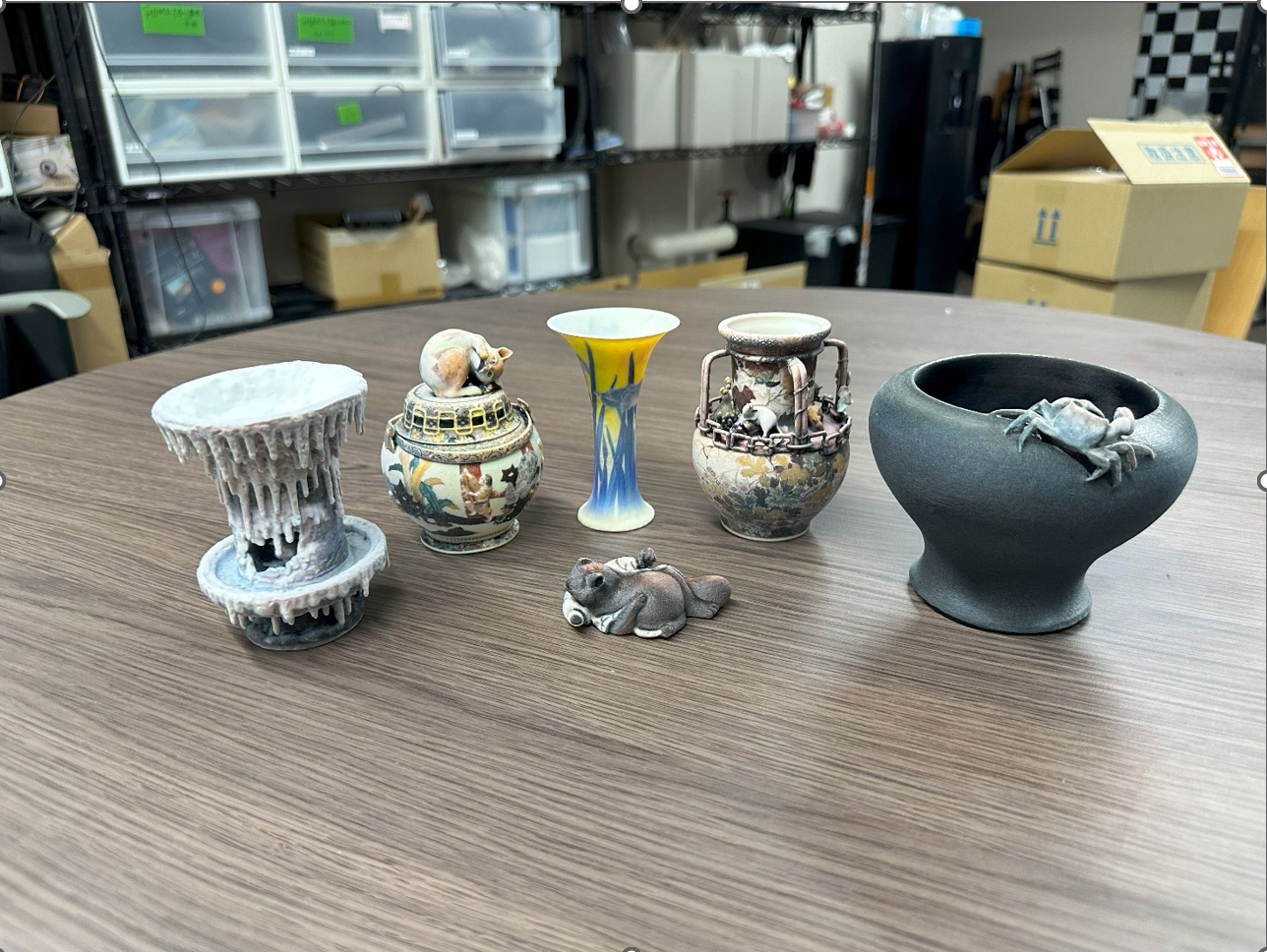
彩色を加えると本物に近づく。3D-printed replicas of Makuzu ware (polar bear, icicles, crab bowl, and more); add some color and they get even closer to the real thing.
写真:太田(眞葛ミュージアム プロジェクト)/画像を assets/img/ に配置すると表示
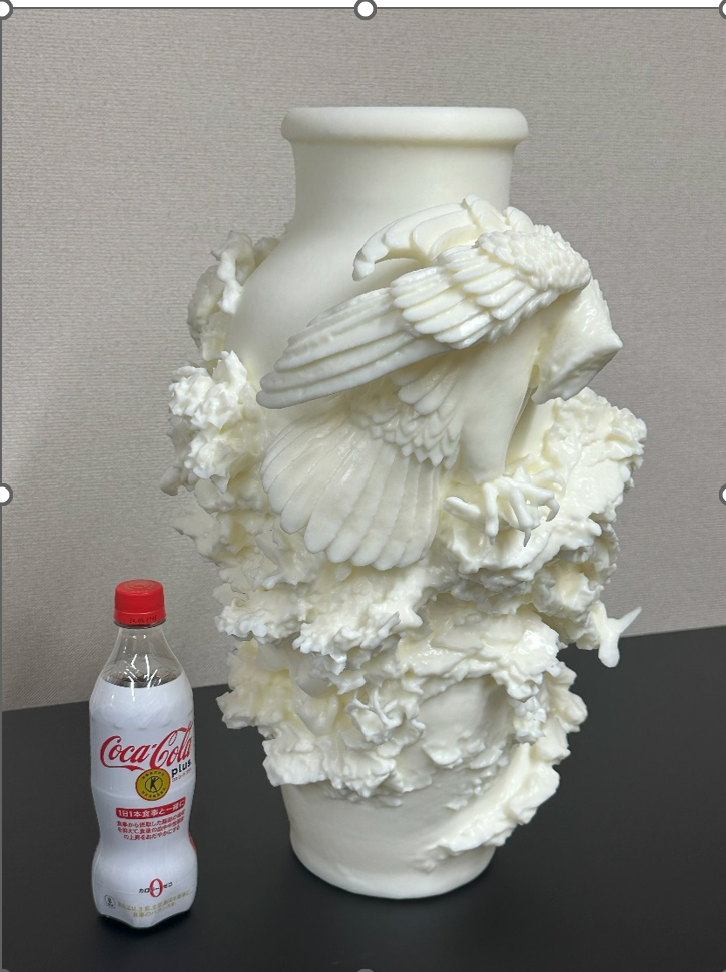
今回はこの等身大3Dプリントに投影する。A vase 3D-printed at full size (about 52 cm) — the plastic bottle next to it gives you the scale. We project-map onto this very life-size 3D print.
写真:太田/画像を assets/img/ に配置すると表示
🔗 崖ニ鷹大花瓶ほか作品アーカイブ kozan-makuzu.com/archives An archive of works, including the Large Vase with a Hawk on a Cliff.
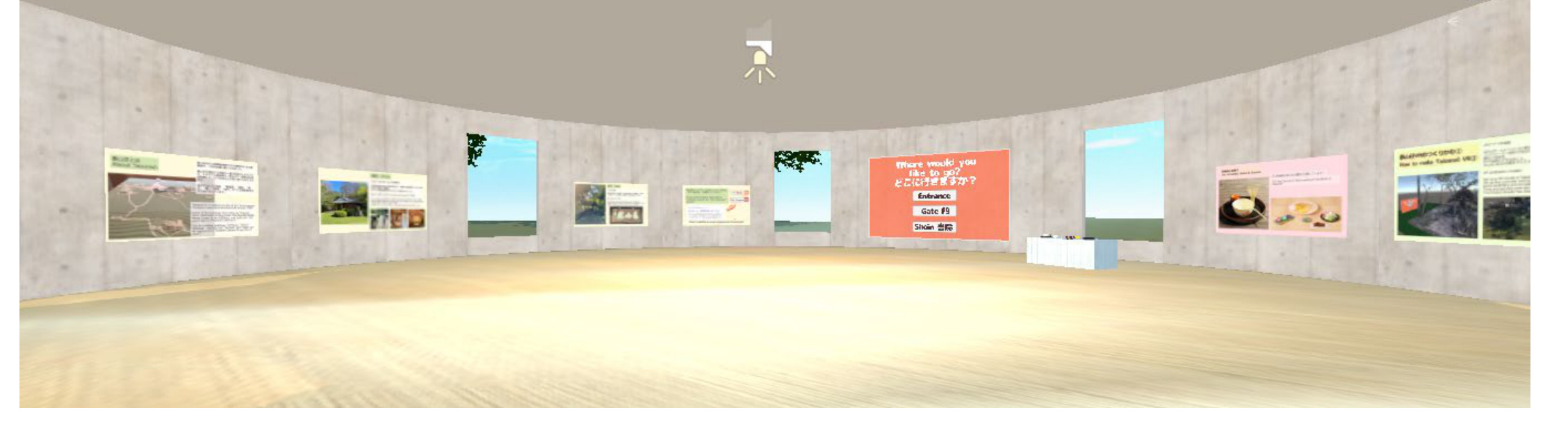
③ 太田の取り組み その2 ― Makuzu VR Museum(なぜVR化したのか) / My work, part 2 — the Makuzu VR Museum (why VR at all?)
「もっと多くの作品を、より自由に見てもらいたい」― そんな要望から Makuzu VR Museum が生まれました。館の説明よりRunning the real museum costs about 10 million yen a year, and there's only so much wall space — so a lot of the collection just can't go on display. The wish to "let more people see more of it, more freely" is what gave us the Makuzu VR Museum.
3Dスキャンとウォークスルーで実館を仮想再現し、実館では見えない 器の裏・釉薬の光 まで再現します。With 3D scanning and a walkthrough, it rebuilds the real museum virtually — and it even lets you see the backs of the vessels and the shine of the glaze, things you can't see in the actual building.
- ウォークスルー:実館を仮想再現し、クリックで作品情報。Walkthrough: the real museum, rebuilt virtually — click any piece for details.
- 動画ギャラリー:21作品(4Kで全周回転撮影 ― 立体形・釉薬の光を強調)。Video gallery: 21 works (shot in 4K, spinning a full turn so you really feel the sculptural form and the light on the glaze).
- 3Dギャラリー:3作品(高精細フォトグラメトリーで自由回転)。3D gallery: 3 works (high-res photogrammetry you can spin around however you like).
▶ Makuzu VR Museum を見る / Visit the Makuzu VR Museum 宮川香山眞葛ミュージアム 公式 / Official site
④ 太田の取り組み その3 ― 崖ニ鷹大花瓶 プロジェクションマッピング / My work, part 3 — projection mapping the "Large Vase with a Hawk on a Cliff"
演出監修 伊藤有壱(I.TOON Ltd.)/制作 太田。We project-map CG onto that life-size 3D print of the Large Vase with a Hawk on a Cliff you saw above — a roughly 180-second loop, 60 fps, vertical 4K (at the Miyagawa Kōzan Makuzu Museum). Direction supervised by Yuichi Ito (I.TOON Ltd.), produced by me.
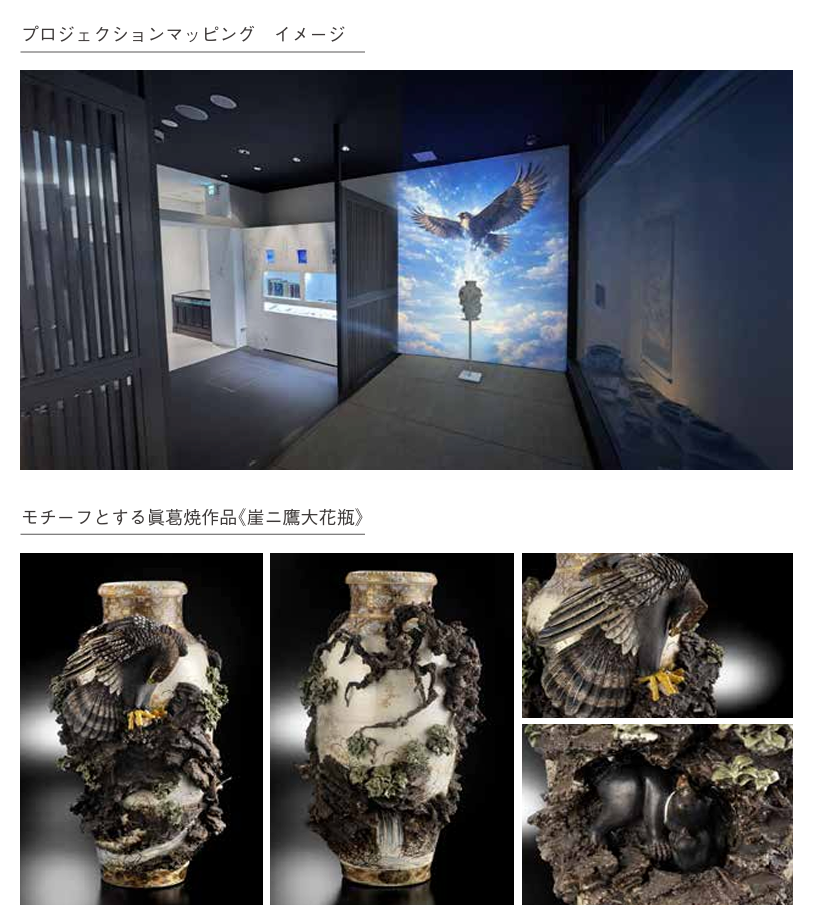
画像:太田(makuzu-projection プロジェクト)
高浮彫のモチーフ(鷹・滝・松・熊)に動きと光を与えます ― 器が脈打ち → 筆文字「崖ニ鷹大花瓶」→ 文字「鷹」が生きた鷹に → 緑の釉薬の滝を登り、花瓶の世界を飛び、銀河を巡って、再び器の上に舞い降りる。We give the takaukibori motifs (hawk, waterfall, pine, bear) motion and light: the vessel pulses → brushed strokes spell out the title → the character for "hawk" turns into a living hawk → it climbs the green glaze waterfall, soars through the world of the vase, loops around the galaxy, and finally settles back down onto the vessel.
それは単なる記録ではなく 復活=作品 ― 野馬追の「記録ではなく作品を」と響き合います。Something three-dimensional physically burned away — and 3D/XR gives it its depth back. That's not just documenting it; it's bringing it back as a work of art — the same idea as Nomaoi's "an artwork, not just a record."
※ 若冲との関連・Christie'sオークション・生成AIサンプル等は太田のリサーチに基づく解釈/推測で、一次資料の確証ではありません。A note: the links to Jakuchū, the Christie's auction, the generative-AI samples, and so on are my own readings and guesses from research — not confirmed by primary sources.
🏮 事例③ ねぶた祭り(青森)— 過去の事例:2019年に360°VR撮影 / Case 3: the Nebuta Festival (Aomori) — an earlier project: 360° VR back in 2019
夏の祭り期間、約1週間にわたって各地のねぶたを撮影。
光の彫刻が街を練り歩く臨場感を、360°で記録しています。Back in 2019, I filmed Aomori's Nebuta as 360° VR. Over the summer festival season I spent about a week shooting Nebuta in city after city, catching in 360° what it feels like to stand there as these sculptures of light parade past you.
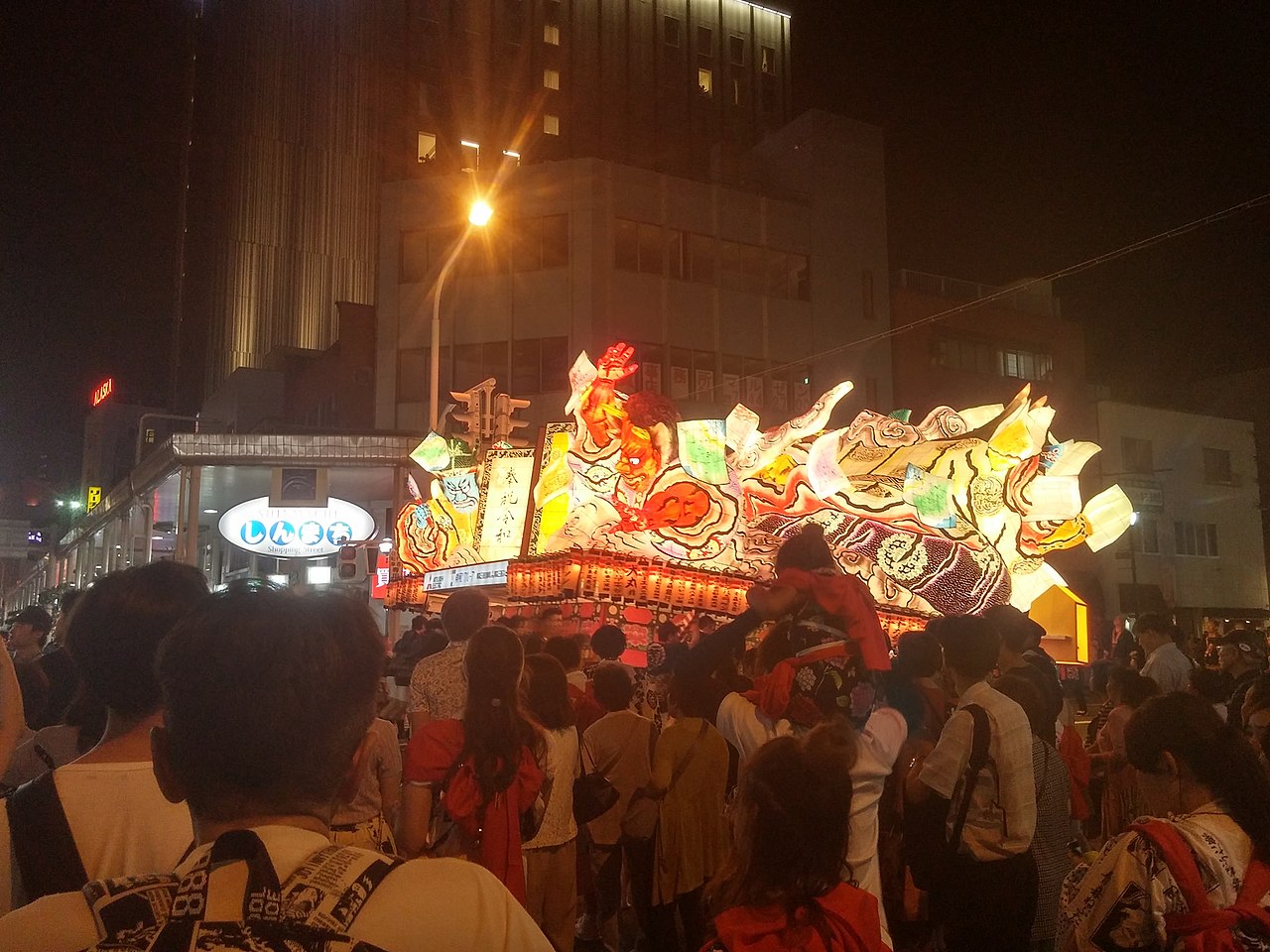
© Mccunicano / Wikimedia Commons, CC BY-SA 4.0

Hiart / Wikimedia Commons, CC0(パブリックドメイン)
- 8月・東北三大祭り・重要無形民俗文化財。
和紙+針金+電球の 「光の彫刻」。
ねぶた師・跳人(ハネト)・ラッセラー・笛太鼓鉦。Held every August — one of the three great festivals of Tōhoku and an Important Intangible Folk Cultural Property. They're sculptures of light, built from washi paper, wire, and light bulbs, brought out by Nebuta masters, leaping dancers (haneto), chanters, and the sound of flutes, drums, and gongs. - 祭りの翌日に大半が解体・廃棄 = 本質的に消える立体文化財。
だからこそ3D/360°保存の意味が大きい。Most of them are taken apart and thrown away the very next day — a three-dimensional heritage that's built to disappear. That's exactly why saving it in 3D and 360° matters so much.
🗾 青森のねぶた・ねぷた ― 都市ごとの個性 / Aomori's Nebuta and Neputa — every city has its own
青森県内では、各都市が異なる日程・形のねぶた(ねぷた)を出します。
太田は各所を回って撮影しました。Across Aomori, each city runs its own Nebuta (or Neputa) — different dates, different shapes. I drove around to all of them to film.
| 都市 / City | 形・特徴 / Form & features | 撮影エピソード / Filming episode |
|---|---|---|
| 青森Aomori | 県内最大。立体の人形ねぶたが街を埋めるThe biggest in the prefecture — huge 3D figure-Nebuta fill the streets. | とにかく規模が大きい。青森の人は一年中ねぶたの話をしているほどの熱量。Just enormous. People here are so into it that they talk about Nebuta all year long. |
| 弘前Hirosaki | 扇形の「扇ねぷた」が中心。武者絵が描かれるBuilt around the fan-shaped "fan Neputa," painted with warrior scenes. | 青森とは形がまったく違う、絵画的な美しさ。A totally different shape from Aomori's — more like a painting come to life. |
| 五所川原Goshogawara | 立佞武多(たちねぷた)=高さ約10mの巨大な縦型The Tachineputa — a giant upright type, about 10 m tall. | 高さ10mのねぶたに乗せてもらって撮影。見上げる迫力をそのまま360°で。They actually let me ride on the 10 m-tall Nebuta to film, so you get that whole looking-way-up rush straight in 360°. |
※ 県内には他にも各地の祭りがあります。
代表的な3つを紹介。
起源・製作費・電球数等は観光2次ソースで数値が揺れるため断定を避けます 要確認。A note: there are plenty of other local festivals around the prefecture; these are three of the best-known. Numbers for origins, production costs, bulb counts, and the like jump around between tourism sources, so I won't state them as fact.
🎬 巨大360°シアターで甦る ― 青い森ホール / Brought back in a giant 360° theater — Aoimori Hall
青森から世界へ ― 日本最大級・直径18m/高さ6mの巨大360°3Dデジタル映像シアター。
四季折々の風景と、眼前に迫り来るねぶたの臨場感を体験できます。From Aomori out to the world — one of Japan's biggest 360° 3D digital theaters, 18 m across and 6 m high. You take in the four seasons, and then a Nebuta comes surging right up at you.
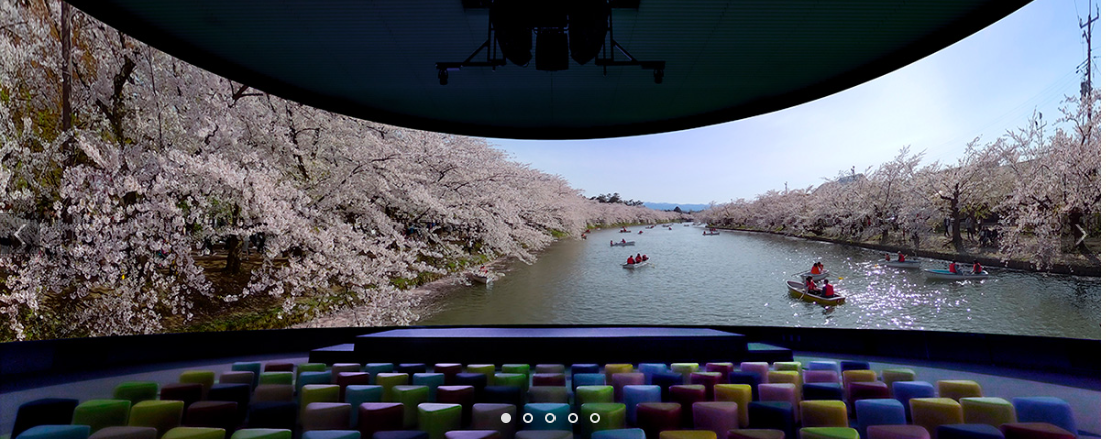
出典:青い森ホール 公式
🔗 青い森ホール/360°デジタル映像シアター aomori-kanko.or.jp / グランドオープン告知 PR TIMES Aoimori Hall / 360° digital theater, plus the grand-opening announcement.
🧩「形として残す」他の試み / Other tries at "keeping the shape"
出典:Sketchfab / NTT東日本
- NTT東日本がフォトグラメトリで3D化し Sketchfab で一般公開。確実NTT East built a 3D model with photogrammetry and put it up publicly on Sketchfab.
- 青年会議所が「廃棄されるねぶたを“形”として残す」ため 3Dモデルを NFT 化(2022)。A junior chamber of commerce minted a 3D model as an NFT (2022) to "keep a thrown-away Nebuta as a shape."
🏯 太田ゼミの文化財VR ― 一畳敷・泰山荘 / Cultural-heritage VR from my seminar — the One-Mat Room & Taizanso
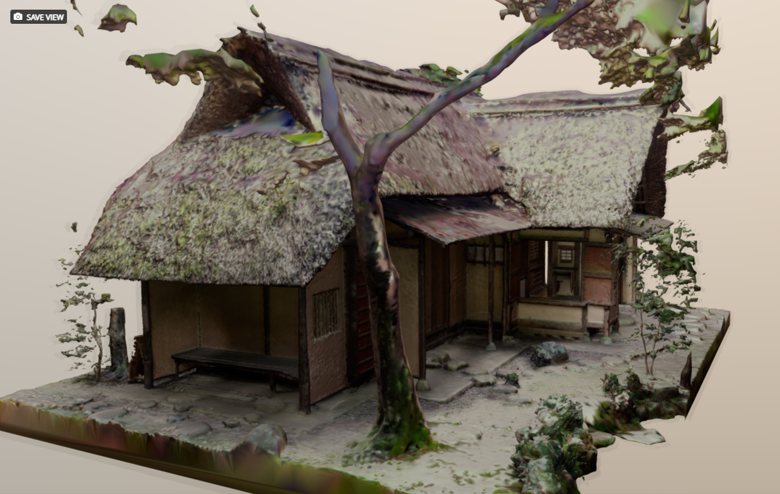
ICUの太田ゼミ(情報科学メジャー)では、湯浅八郎記念館と協力し、3D・VRによる文化財のデジタルアーカイブを研究しています。
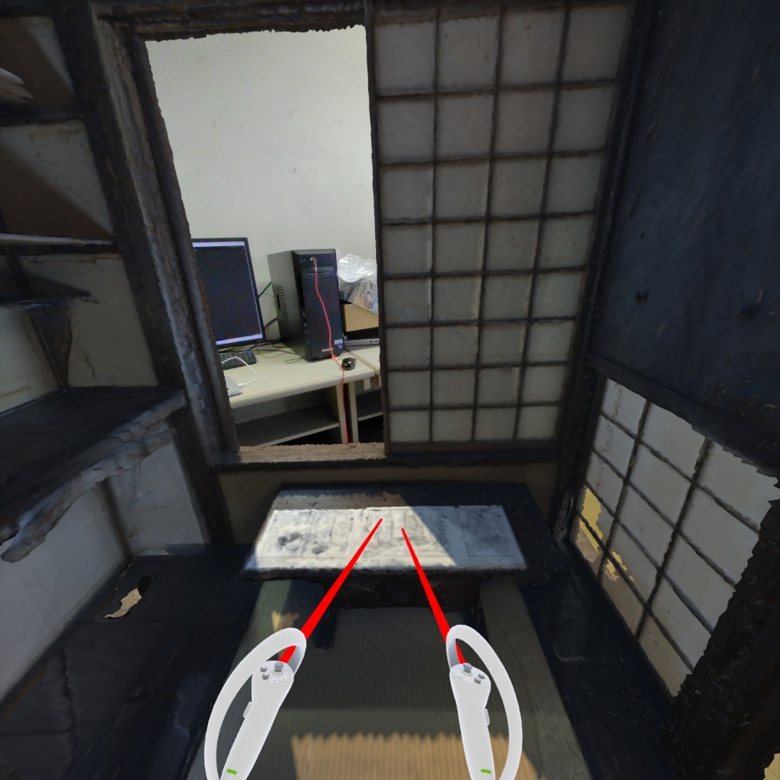
なかでも 泰山荘「一畳敷(いちじょうじき)」(国登録有形文化財)は卒業研究のテーマとして、原寸模型→現物へと3Dスキャンを重ねてきました。In my seminar here at ICU (Information Science major), students team up with the Hachiro Yuasa Memorial Museum to explore digitally archiving cultural properties in 3D and VR. The One-Mat Room (Ichijōjiki) at Taizanso (a Registered Tangible Cultural Property) keeps coming back as a graduation-research topic — we've 3D-scanned it step by step, from a full-size model all the way to the real building.
- 2021年度:泰山荘の 書院と表門を3D化し、VRChat・Cluster で VR体験 できる空間に。2021: 3D-captured Taizanso's Shoin study and the front gate, turned into a space you can experience in VR on VRChat and Cluster.
- 2023年度:一畳敷の原寸模型を3Dスキャンし、実物の畳の上で体験する MRアプリ(畳の匂い・感触ごと味わう)。2023: a 3D scan of a full-size model of the One-Mat Room, made into an MR app you experience sitting on a real tatami mat — smell and texture and all.
- 2024年度:本物の一畳敷を3Dスキャンし、Fortnite(UEFN)上で訪れて学べるゲームとして構築。2024: a 3D scan of the real One-Mat Room, built into a Fortnite (UEFN) game you can drop into and learn from.
卒論:Taizanso 3D Digital Archive
卒論:MR for the Life-Size One-Mat Room
卒論:Tangible Cultural Properties on Fortnite
🎥 一畳敷VR ― 歩いて巡る(Meta Quest 3 用コンテンツ) / One-Mat Room VR — walk right through it (for Meta Quest 3)
映像:太田ゼミ(Meta Quest 3 実機キャプチャ)
🎬 まとめ / Summary
今日は、様々な技術を活用し、「見る」を「体験」に昇華していくための取り組みについて紹介しました。 日本文化についても色々ご紹介したので、興味をもっていただけると幸いです。Today I showed you how a handful of tools can turn "seeing" something into "experiencing" it. I also got to share a lot of Japanese culture along the way, and I really hope some of it stuck with you.
野馬追・真葛焼・ねぶた ― いずれも、いつか消えてしまうかもしれない文化です。 情報技術を活用することで、それを「平面の記録」から「未来へ手渡せる体験」へと変えることができるかもしれません。Soma Nomaoi, Makuzu ware, Nebuta — any of them could one day be gone. But with information technology, we just might turn each one from a flat record into an experience we can pass on to the future.
カメラ1台でも文化をVRや3Dに残せる時代です。 みなさん一人ひとりの「専門」や「好き」と、こうした技術が掛け合わさったとき、 まだ誰も残せていない日本の文化が、未来へ受け継がれていく ― そんな担い手に、ぜひなってください。The XR and 3D tools I showed today aren't just for specialists anymore — these days, even a single camera can capture culture in VR or 3D. When you pair your own field, or simply what you love, with these tools, you can carry parts of Japanese culture that no one has saved yet into the future. I hope some of you will be the ones who do.
- あなたが「歩ける形で残したい」日本の文化・場所は? なぜ?What Japanese place or tradition would you most want to save "in a form you can walk through" — and why that one?
- XRで文化を記録するとき、何が残り/何が失われると思いますか?When you record a culture in XR, what do you think gets kept — and what slips away?
- 「記録映像」と「作品」の違いは、どこにあると考えますか?Where do you think the line falls between a "documentary record" and a "work of art"?
🔗 出典・参考リンク / Sources & references
真葛焼 / Makuzu ware
宮川香山眞葛ミュージアム kozan-makuzu.com / Makuzu VR Museum kozan-makuzu.com/vrmuseum / 山本博士氏インタビュー YouTube / 三陽物産(モンテローザ)3yo.co.jp / 重文「褐釉蟹貼付台付鉢」文化遺産オンライン
相馬野馬追 / Soma Nomaoi
相馬野馬追 公式 soma-nomaoi.jp /
写真:Wikimedia Commons Category:Sōma Nomaoi
及川氏 公式映像:相馬野馬追2026 /
甲冑競馬 / Armored Horse Race /
ライブ配信 / Live Streaming /
戦国絵巻 / Sengoku scroll
技術(3DGS / NeRF)・LBVR・日本の城 / Technology (3DGS / NeRF), LBVR, Japanese castles
3D Gaussian Splatting(Inria, SIGGRAPH 2023)project page / NeRF(Mildenhall et al., ECCV 2020)project page / Excurio『Horizon of Khufu』excurio.com(横浜 IMMERSIVE JOURNEY)/ NHK VR『サムライの見た夢 幻の豊臣大坂城』nhk-vr-samurais-dream.jp
ねぶた祭り / Nebuta Festival
青森ねぶた祭 公式 nebuta.jp / 青い森ホール 360°シアター aomori-kanko.or.jp(PR TIMES)/ NTT東日本 ねぶた3D Sketchfab / 写真:Wikimedia Commons Category:Aomori Nebuta Festival
真葛焼蟹鉢=東京国立博物館 ColBase (CC BY 4.0)。
ねぶた=© Mccunicano (CC BY-SA 4.0) / Hiart (CC0)。
動画は各公式チャンネルの埋め込み。
宮川香山眞葛ミュージアムVR・Excurioの静止画は権利保護のためリンクのみ。Image credits: Soma Nomaoi = © Hajime NAKANO (CC BY 2.0) / © Rory trains (CC BY-SA 4.0). Makuzu crab bowl = Tokyo National Museum ColBase (CC BY 4.0). Nebuta = © Mccunicano (CC BY-SA 4.0) / Hiart (CC0). The videos are embedded from each official channel. Still images from the Makuzu Museum VR and Excurio are linked only, to keep their rights protected.
担当:太田啓路(ICU 情報科学メジャー)/ 日本研究概論 JPS101 ゲスト講義 / 2026-06-10 Presenter: Keiji Ohta (ICU, Information Science major) / Introduction to Japan Studies JPS101 guest lecture / 2026-06-10